

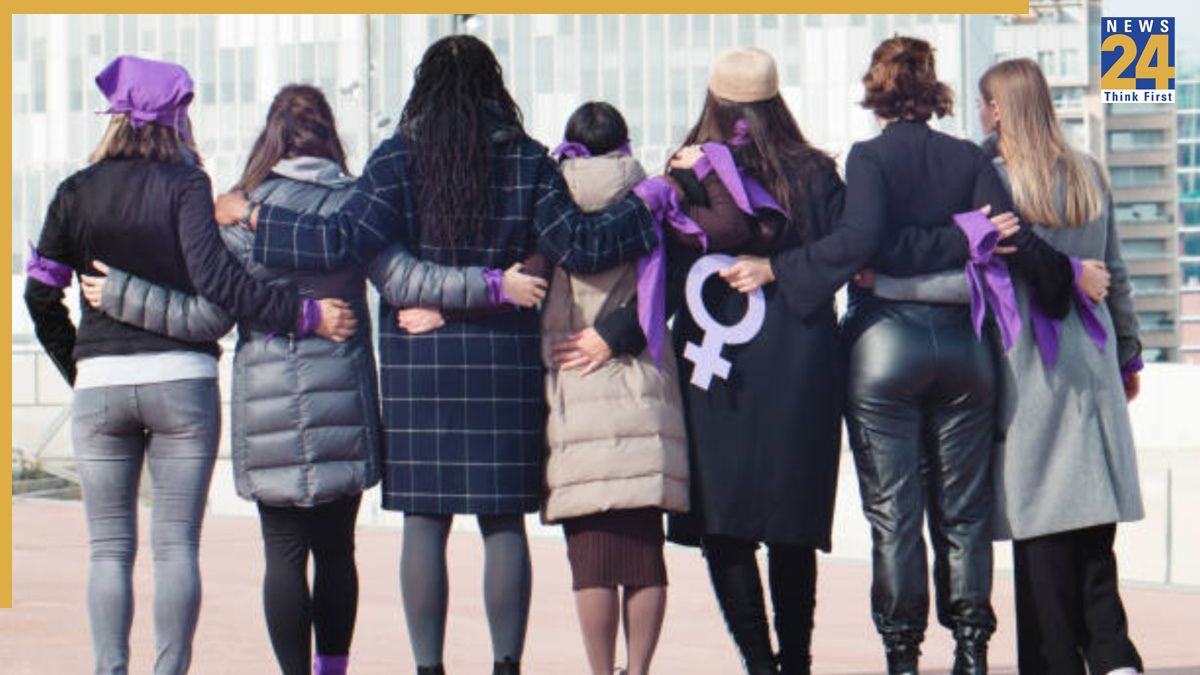


International Women’s Day is celebrated on March 8 each years in majority of countries across the world, marking events to celebrate womanhood, honor women’s achievements and raise awareness about gender equality.
But did you know that Women’s Day is not allowed to be celebrated in several countries due to various cultural and religious reasons, and even organizing events related to the occasion may invite severe punishment under local laws?
Which countries have banned Women’s Day?
- Afghanistan: Women’s rights and freedoms have been severely curtailed under the current Taliban regime. Since the Taliban seized power in Afghanistan in 2021, severe restrictions have been imposed on education, employment, and participation of women in public events, making it nearly impossible to organize events such as Women’s Day.
- Iran: While there is no official ban on Women’s Day in Iran, the occasion is not widely celebrated in the Islamic Republic due to restrictions imposed on women under Sharia law. Some women’s rights activists try to celebrate the day, large public demonstrations and rallies are often closely monitored by the authorities.
- Pakistan: Pakistan is constitutionally a ‘secular’ country, and allows events like the ‘Aurat March’ to mark Women’s Day. However, these events often face stiff opposition from conservative and religious groups, posing challenges for organizers and participants.
- China: While China officially recognizes Women’s Day, the celebrations differs vastly from other countries, especially in the Western hemisphere. In several places, women are given a half-day off from work, while large protests or political activities are subject to strict government surveillance and even punishment.
Why Women’s Day is banned in these countries?
While Women’s Day, which celebrates womanhood and promotes gender equality, is widely celebrated in most parts of the world, the event faces opposition and even bans in some countries due to various reasons, including religious and cultural.
Public events and protests related to women’s rights are strictly monitored by authorities, and sometimes such events are banned and violators are punished.